
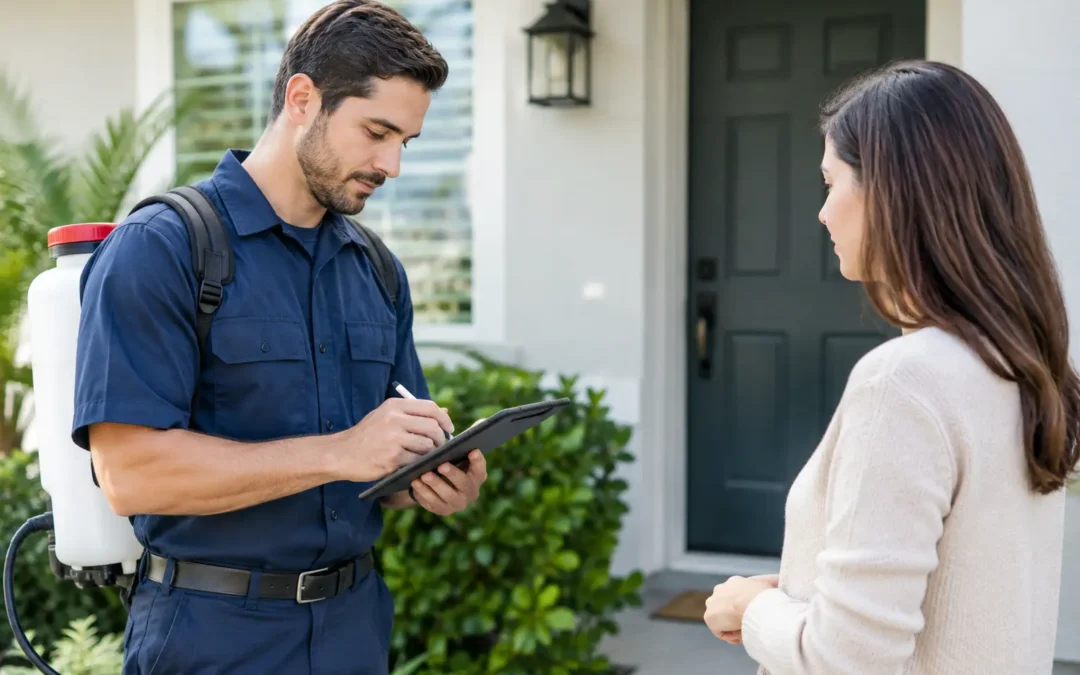
A tenant reports roaches in the kitchen at 9 p.m. Another says they heard scratching above the ceiling. These are not complaints to set aside until the next turnover. In Florida, landlord pest responsibilities can affect habitability, resident retention, property condition, and the cost of getting a problem under control.
Pests move quickly in Florida. German cockroaches spread through wall voids and shared plumbing lines. Rats can enter an attic through a small opening and contaminate insulation. Termites can stay hidden while they damage wood behind paint, drywall, or cabinetry. A prompt, organized response protects the resident and gives the property a better chance of avoiding a larger repair bill.
What Florida Landlords Are Generally Responsible For
Florida landlords are generally required to comply with applicable building, housing, and health codes. Florida law also places responsibility on landlords to make reasonable provisions for extermination of common rental pests, including rats, mice, roaches, ants, bed bugs, and wood-destroying organisms.
The exact obligation can depend on the type of property, the lease, local codes, and the facts behind the infestation. A single-family home or duplex may have a written lease provision assigning certain extermination duties to the tenant. That does not give an owner a free pass to ignore structural conditions, active termite activity, unsafe sanitation problems, or a pest issue that affects the home’s habitability. For apartment buildings, condominiums, and other multifamily properties, the owner or operator usually has a larger role because pests can travel between units and through common areas.
This is practical guidance, not legal advice. A property attorney can clarify how a specific lease or dispute applies. From a pest-control standpoint, the safest approach is simple: investigate the report, document what is found, correct property conditions that support pests, and use a treatment plan that fits the actual infestation.
Landlord Pest Responsibilities Start With a Real Inspection
A tenant may only see a roach near the sink, but that does not tell you where the infestation started or how far it has spread. Treating one visible insect with a store-bought spray can push activity deeper into walls or neighboring units. The same goes for rats. Hearing movement in one bedroom ceiling does not reveal whether there is one animal, an established attic population, contaminated insulation, or an open entry point on the roofline.
A proper inspection should look beyond the initial complaint. For roaches, that means checking kitchens, bathrooms, appliances, utility penetrations, cabinets, trash areas, and nearby units when appropriate. For rodents, it means inspecting the attic, exterior gaps, vents, rooflines, plumbing penetrations, and signs of droppings or nesting. For termites, the inspection should cover the full structure, not just the spot where a resident noticed a winged insect.
This is where landlords can save money by acting early. Suppressing active pests is necessary, but the job is incomplete if food sources, moisture, harborage, entry points, or sanitation concerns remain in place. A treatment without follow-up may look like a quick fix while the problem continues behind the scenes.
When the Tenant May Share Responsibility
Tenants have responsibilities too. They should report pest activity quickly, allow access for inspection and treatment, follow preparation instructions, and keep the unit in reasonably sanitary condition. In many cases, resident cooperation makes the difference between a short treatment process and a recurring problem.
That said, blaming a tenant before inspecting the property is a mistake. Bed bugs can enter a unit through luggage, furniture, visitors, or adjacent apartments. Roaches can come in with groceries, move through shared walls, or arrive from a neighboring unit. A clean tenant can still have a pest problem, especially in a connected building.
The better question is not, “Who caused this?” at the first report. Ask, “What do we know, what needs to be inspected, and what needs to happen next?” Once the facts are documented, the owner, manager, and tenant can better understand where responsibility lies under the lease and applicable law.
Responding to the Most Common Rental Pest Problems
Different pests require different decisions. Treating them all as a generic “bug problem” leads to missed conditions and frustrated residents.
German cockroaches
German roaches reproduce fast and are especially common around kitchens, bathrooms, dishwashers, refrigerators, and plumbing lines. In multifamily housing, treating only the reporting unit may not be enough. Nearby units, common chases, trash rooms, and sanitation conditions may need attention as well.
Landlords should arrange a detailed inspection, communicate preparation requirements clearly, and schedule follow-up service. Residents need to know that leaving food out, skipping preparation, or refusing entry can limit results. The treatment provider should also be able to explain whether the activity appears isolated or likely connected to other units.
Bed bugs
Bed bug work requires patience and cooperation. A resident should not move infested belongings into hallways, common areas, or another unit, because that can spread the problem. They also should not rely on foggers or random over-the-counter products, which can scatter bed bugs and make inspection harder.
Owners and managers need a clear process for reporting, inspection, preparation, treatment, and follow-up. Bed bug service commonly requires residents to bag or launder items, reduce clutter, and provide access to sleeping areas and furniture. A one-time visit is rarely the full answer. Follow-up inspections and treatments are often necessary to confirm activity has stopped.
Rats and other rodents
Rodents are not just a nuisance. They can damage wiring, contaminate attic insulation, chew stored items, and create odor problems that affect adjacent spaces. Trapping without exclusion is temporary. If openings remain around rooflines, vents, utility lines, or exterior gaps, new rodents can come right back.
A responsible response includes locating entry points, removing active rodents, sealing appropriate access areas, and addressing contaminated attic material when needed. Residents should be instructed not to leave pet food, birdseed, or unsecured trash outside, but the property owner must also address building openings that allow rodents inside.
Termites and wood-destroying organisms
Termite activity is a property-protection issue, not a resident housekeeping issue. Swarmers, discarded wings, mud tubes, soft wood, or damaged trim should trigger an inspection quickly. Florida owners may have treatment options that do not require tenting, depending on the termite species, construction, extent of activity, and treatment plan.
Non-tent treatments can reduce disruption for occupied homes, apartments, and commercial properties when appropriate. But the right choice should come from a thorough inspection, not a promise that every termite issue can be handled the same way.
Documentation Protects Everyone
Good records keep a pest report from turning into a confusing argument months later. Document the date of the complaint, what the tenant reported, inspection findings, treatment recommendations, notices sent, tenant preparation instructions, access issues, and follow-up results.
For multifamily properties, it also helps to track unit patterns. Three roach reports in vertically connected apartments may point to a plumbing chase or shared source. Repeated rodent reports in top-floor units may point to an exterior entry issue. These patterns help managers spend money where it actually solves the problem instead of treating each complaint as unrelated.
If treatment requires a resident to temporarily leave the unit, Florida has notice and rent-abatement rules that may apply. Handle those situations carefully, provide required notice, and communicate in writing. Clear expectations reduce stress for residents and avoid unnecessary conflict.
Build Pest Prevention Into Property Operations
The strongest pest program is not built around emergencies alone. It includes regular exterior checks, prompt maintenance repairs, protected trash areas, moisture control, unit inspections between tenants, and scheduled professional service where the property needs it.
For landlords with several units, ongoing pest management can be more predictable than waiting for a serious outbreak. It gives the technician a chance to spot early warning signs, identify recurring building conditions, and recommend repairs before a small report becomes a building-wide issue. Gatekeepers Pest Solutions approaches these calls with inspections first, then practical treatment and follow-up instead of a rushed one-visit answer.
A tenant who reports pests is giving you useful information about your property. Take the report seriously, inspect beyond the obvious, and stay involved until the conditions that allowed the pests in have been addressed. That kind of response protects the building and gives residents a reason to renew.